
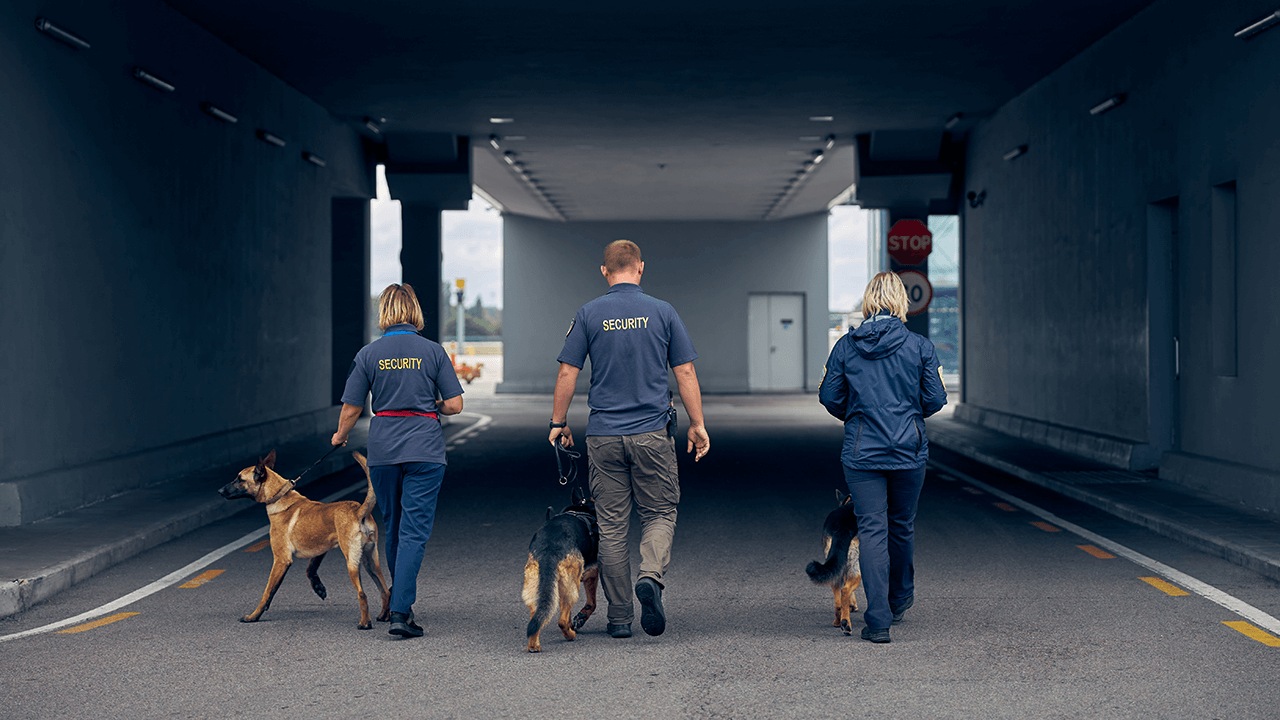
Why Professional Security Guards Are Essential for Event Safety

Events bring people together—whether it’s a corporate function, concert, private party, wedding, or public gathering. But with large crowds comes increased risk. From crowd control challenges to unauthorized access and emergency situations, proper security is not optional—it is essential.

Professional security guards play a critical role in ensuring that events run smoothly, safely, and without disruption. Their presence alone often prevents incidents before they occur.


1. Effective Crowd Control

Managing large groups of people requires training and experience. Professional security guards are skilled in controlling crowd movement, preventing overcrowding, and ensuring orderly behavior throughout the event.


2. Preventing Unauthorized Access

Security personnel ensure that only invited guests or authorized individuals gain entry. This helps protect VIPs, maintain event privacy, and reduce the risk of disruptions or security breaches.


3. Rapid Emergency Response

In the event of an emergency—such as medical incidents, fire, or disturbances—trained guards respond quickly and efficiently. Their ability to act immediately can prevent situations from escalating.


4. Conflict Resolution and De-escalation

At crowded events, disagreements can happen. Professional security guards are trained to handle conflicts calmly, de-escalate tense situations, and maintain order without causing panic or disruption.


5. Protection of Guests and VIPs

High-profile guests or speakers often require additional protection. Security guards provide close monitoring and escort services to ensure their safety from arrival to departure.


6. Safeguarding Property and Equipment

Events often involve expensive equipment, setups, and assets. Security personnel help prevent theft, vandalism, and unauthorized handling of event property.


7. Maintaining Overall Event Flow

From managing entry points to guiding guests and supporting organizers, security guards help ensure the event runs smoothly and on schedule without unnecessary interruptions.


Conclusion

Professional security guards are not just a precaution—they are a necessity for any successful event. Their presence ensures safety, order, and peace of mind for both organizers and attendees. At TDD Security, we provide highly trained event security professionals who are dedicated to delivering safe, controlled, and well-managed events every time.

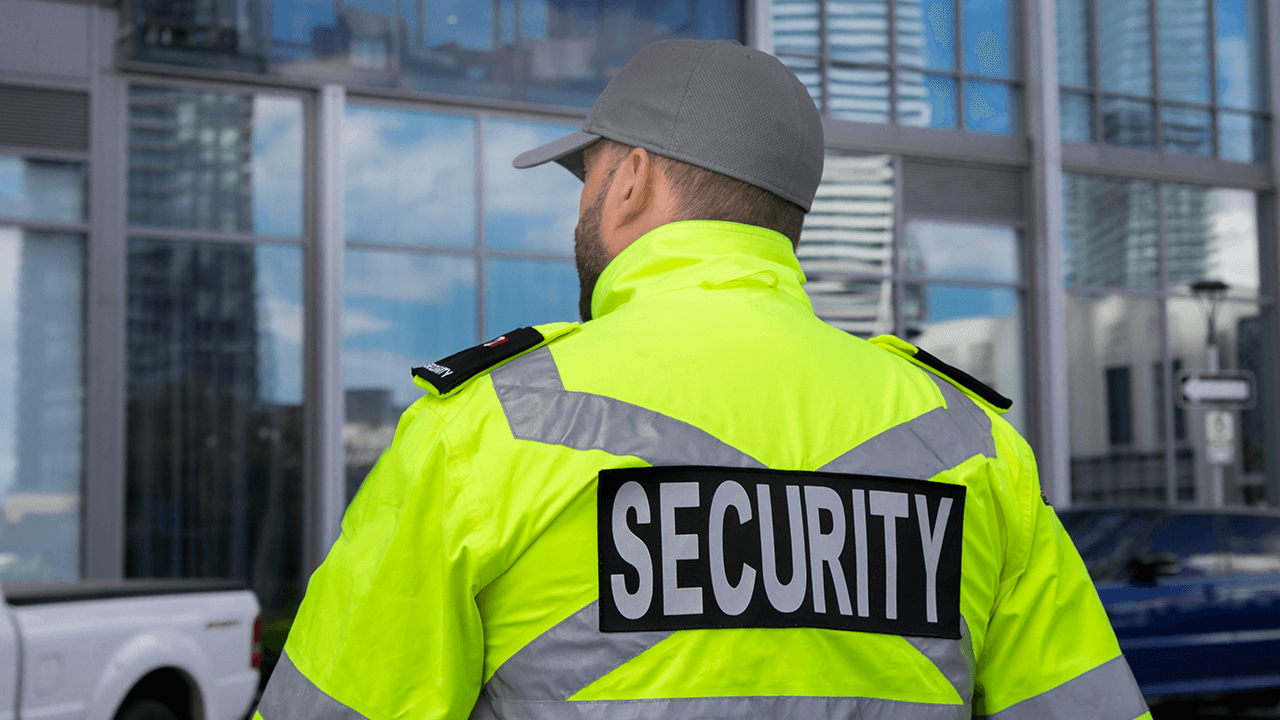
How to Protect Your Business from Modern Security Threats

In 2026, businesses face more complex security threats than ever before. From physical break-ins and internal theft to cyber vulnerabilities linked to smart systems, risks are evolving rapidly. Protecting your business now requires more than basic locks and CCTV—it demands a layered, proactive security strategy that combines people, processes, and technology.

This guide outlines practical steps every business owner should take to reduce risk and improve overall safety.


1. Conduct Regular Risk Assessments

Every strong security plan begins with understanding your vulnerabilities. Regular risk assessments help identify weak points in your premises, operations, and access control systems. This allows you to fix issues before they become serious threats.


2. Install Advanced Surveillance Systems

Modern CCTV systems do more than record—they analyze. High-definition cameras with motion detection, remote access, and cloud storage provide real-time visibility and evidence when needed. Strategic placement is key to full coverage of entrances, exits, and sensitive areas.


3. Strengthen Access Control

Controlling who enters your business premises is essential. Use keycards, biometric systems, or PIN-based access to restrict unauthorized entry. Limit access to sensitive areas and maintain a log of all entries and exits.


4. Train Your Staff on Security Awareness

Employees are often the first line of defense. Training your staff to recognize suspicious behavior, handle emergencies, and follow security protocols significantly reduces internal and external risks.


5. Hire Professional Security Personnel

On-site trained security guards provide a visible deterrent to criminal activity. They also ensure immediate response to incidents, control access points, and maintain order during emergencies or high-risk situations.


6. Secure Your Digital Infrastructure

Modern businesses rely heavily on digital systems. Ensure your networks, CCTV systems, and business data are protected with strong passwords, encryption, firewalls, and regular software updates to prevent cyber breaches.


7. Develop an Emergency Response Plan

A clear response plan ensures your business reacts quickly and effectively during incidents such as theft, fire, or intrusion. This should include evacuation procedures, communication protocols, and emergency contacts.


Conclusion

Protecting your business from modern security threats requires a proactive and layered approach. By combining trained personnel, advanced technology, and strong internal policies, you can significantly reduce risk and ensure operational stability. At TDD Security, we specialize in delivering tailored business security solutions designed to keep your assets, staff, and operations fully protected.

Top 7 Security Tips Every Homeowner Should Know in 2026

Home security in 2026 goes beyond traditional locks and alarms. With evolving risks and smarter technology, homeowners must adopt a more proactive and informed approach to protecting their property and loved ones. Whether you live in a house or an apartment, these essential security tips will help you strengthen your home’s defense and reduce vulnerabilities.


1. Upgrade to Smart Security Systems

Modern smart security systems allow you to monitor your home remotely using your phone or computer. Features like motion detection, real-time alerts, and cloud recording give you full visibility and control, even when you are away.


2. Install High-Quality CCTV Cameras

Visible CCTV cameras act as a strong deterrent to intruders. Place cameras at key entry points such as front doors, back doors, garages, and driveways. Ensure your system records in high definition and supports night vision.


3. Strengthen Entry Points

Most break-ins happen through doors and windows. Reinforce your home with solid core doors, deadbolt locks, and shatter-resistant window films. Don’t forget sliding doors—they should always have additional security bars or locks.


4. Use Smart Lighting Systems

Well-lit homes are less attractive to intruders. Install motion-sensor lights around your property, especially in dark corners, pathways, and entrances. Smart lighting systems can also be scheduled or controlled remotely for added security.


5. Secure Your Wi-Fi Network

Your home network is now part of your security system. Always use strong passwords, enable encryption, and avoid using default router settings. A compromised Wi-Fi network can expose your cameras and smart devices to hackers.


6. Be Mindful of Social Media Sharing

Avoid posting real-time updates about vacations or being away from home. Criminals often use social media to identify empty homes. Always share travel experiences after returning.


7. Hire Professional Security Support

For maximum protection, consider professional security services. Trained security personnel, mobile patrols, and monitoring services provide an extra layer of safety that technology alone cannot guarantee.


Conclusion

Home security in 2026 requires a combination of smart technology, awareness, and professional support. By implementing these seven tips, you significantly reduce risks and create a safer environment for your family. At TDD Security, we are committed to helping homeowners stay protected with modern, reliable security solutions tailored to today’s threats.